

Dr. Michael Heidinger
CEO, Digital Power Systems - PhD in Lighting Technology at KIT on durable LED power supplies
CEO, Digital Power Systems - PhD in Lighting Technology at KIT on durable LED power supplies
Introduction
Selecting an LED power supply is straightforward when you consider a few important points. However, making the wrong choice can have serious consequences. In this article, we guide you through the fundamentals.
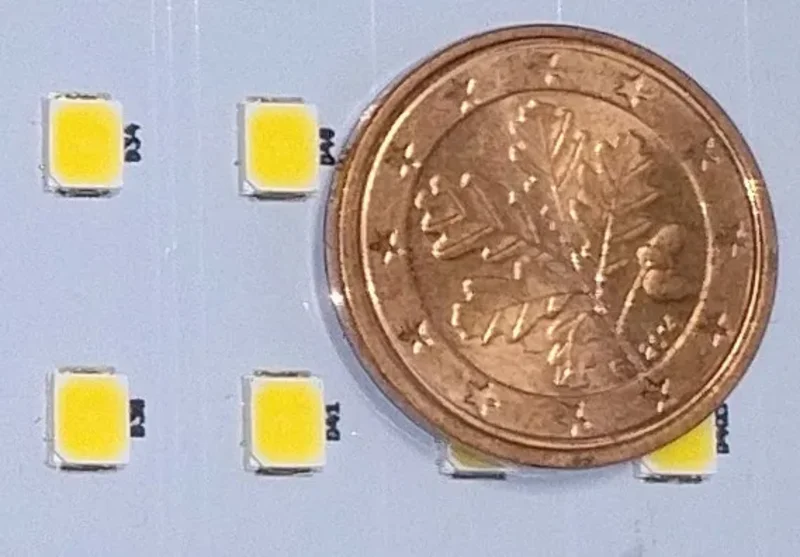
Constant Current or Constant Voltage? Or Both?
- Constant current power supplies are used when the LED is driven directly without an external resistor. The LEDs must be connected in series.
- Constant voltage power supplies are used when an external current limitation (resistor) is present.
- Universal power supplies (CCCV) provide both functions and are the most flexible solution.
Identifying the Right Type
💡 Rule of thumb: Constant current power supplies specify a fixed current. Constant voltage power supplies specify a fixed voltage. CCCV power supplies list flexible ranges for both. The constant value indicates the type.
Calculating the Power Requirement
The power calculation is simple: P = U × I (Power = Voltage × Current).
Many manufacturers recommend a safety factor of 1.5 to 2. Such recommendations often indicate poor product quality - a high-quality power supply should operate reliably at its rated load.
The LED Power Supply Limits the Lifetime
LEDs offer lifetimes of 50,000 to 300,000 hours. However, the power supply is typically the first component to fail. Power supplies without electrolytic capacitors have demonstrated lifetimes exceeding 70 years in tests with KIT.
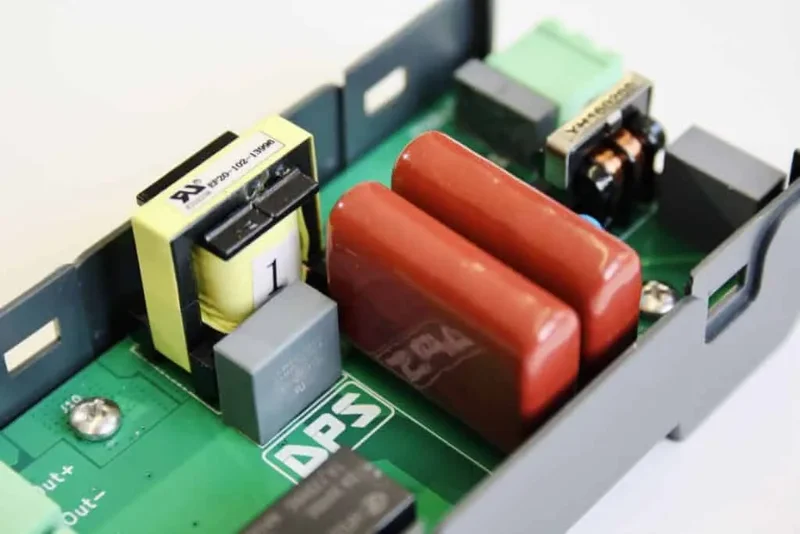
Mains Isolation - A Lifesaver
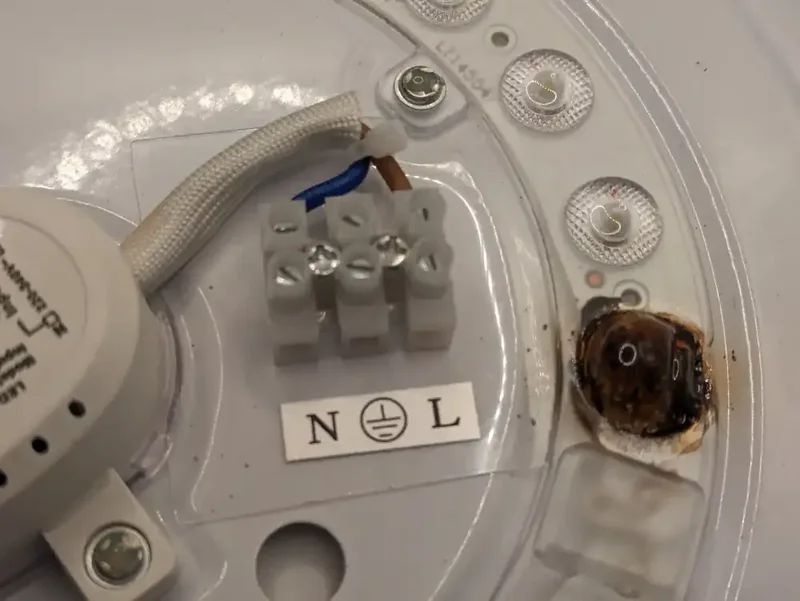
⚠ Danger to life: When power supplies have a mains input, galvanic isolation is strongly recommended. Without isolation, users may be exposed to electric shock.