

CEO, Digital Power Systems
USB in the Control Cabinet: What For and Why?
Powering devices via USB is simple, efficient, and versatile. Many modern devices already rely on the USB standard, including:
- Mobile phones and tablets
- Laptops
- Single-board computers and control units
DC or AC Input?
Whether AC or DC input is more suitable is often debated. Each solution has its advantages and disadvantages. DPS offers both:
- DC (Direct Current): Preferred when a power supply is already present in the cabinet - especially with uninterruptible power supplies. The devices can be designed very compactly and require little space.
- AC (Alternating Current): Ideal for stand-alone solutions, as it is flexible and easy to integrate. AC solutions are typically slightly larger.
USB PD or No PD?
USB-C Without Power Delivery
Power supplies without PD typically provide a fixed maximum current, usually 3 A for fast-charging devices.
USB Power Delivery (USB-PD)
USB-PD allows intelligent negotiation of the best combination of voltage, current, and power between the power supply and the end device. Supported voltages are: 5 V, 9 V, 15 V, and 20 V.
USB-PD for Laptops
Laptops typically charge with power supplies that support Power Delivery. Older devices may only support a single voltage class.
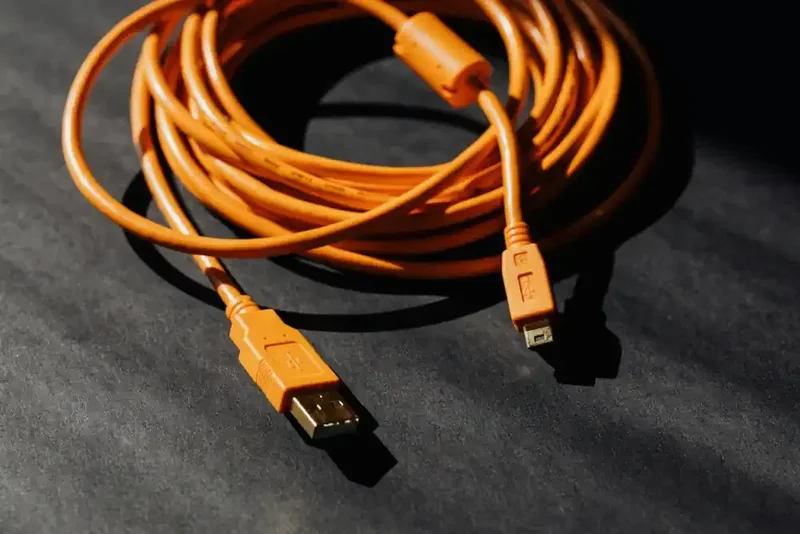
Cables: Cheap Can Be Expensive
Questions?
Do you have questions or need consulting? We are happy to help! Please note that for economic reasons, we can only provide consulting to business customers.